















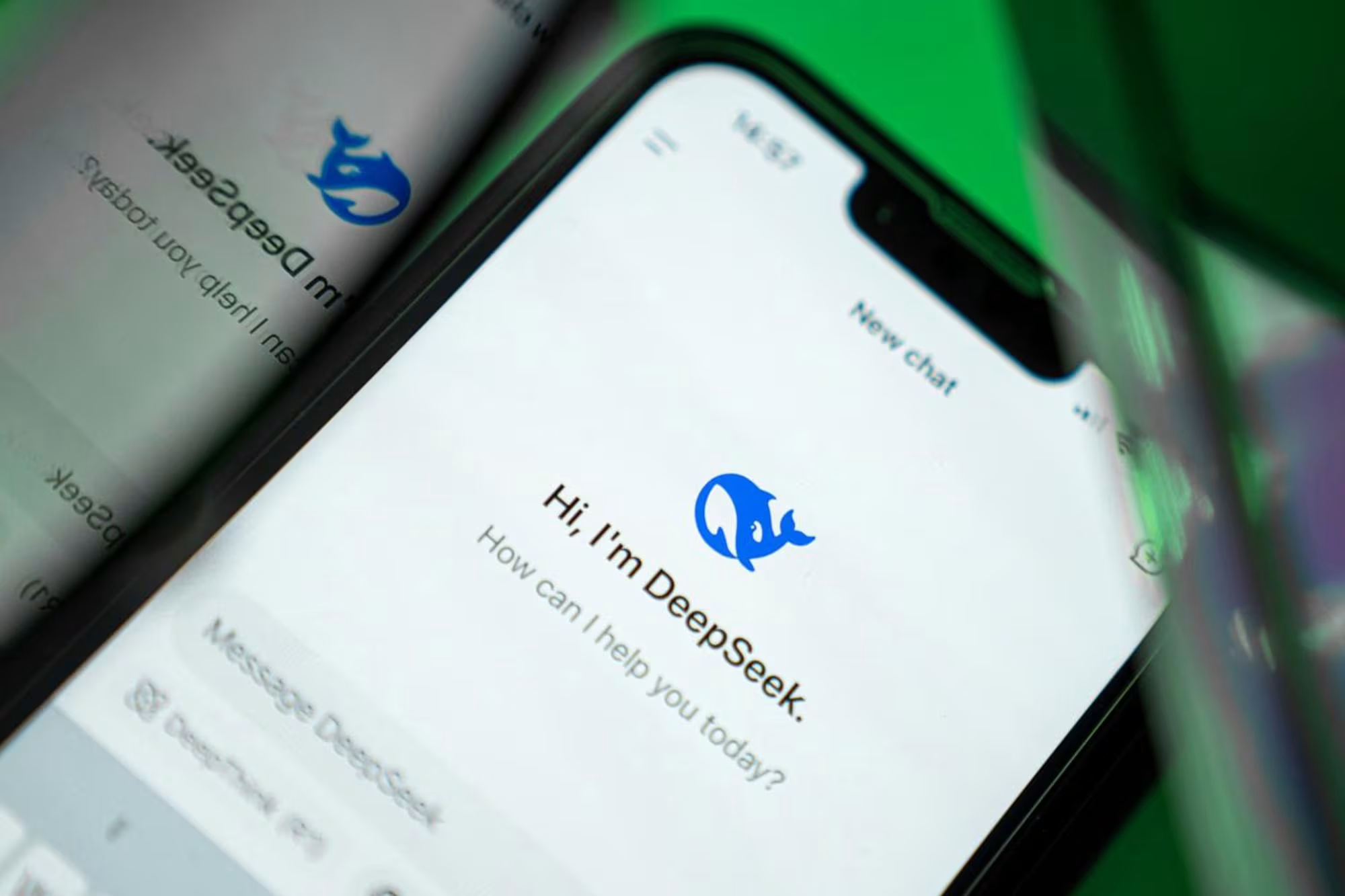
GEO in China means making your brand part of the answer when people ask Doubao, Qwen, DeepSeek or Yuanbao what to buy or who to hire. It works differently from SEO: Chinese AI assistants rely on trusted platforms and sources, not on your website alone.
Search is becoming a conversation, not a list
More than 700 million people in China were using generative AI by June 2026, over half of all internet users, according to CNNIC, and 76% of them use it to answer questions. Instead of scanning ten blue links, they receive one synthesized answer. If your brand is not in that answer, it is simply not part of the decision. That is why GEO has become a priority.
Key Takeaways
Generative engine optimization (GEO) aims to make your brand cited and recommended inside AI answers, not just ranked in search results.
Regulators now treat manipulative GEO as AI data poisoning, so only accurate, verifiable content is a safe long-term strategy.
Each Chinese AI assistant draws on its own ecosystem, so Doubao, Yuanbao and Qwen need different content strategies.
AI assistants are starting to complete purchases, which makes product data, reviews and store content part of GEO.
China's AI Assistants
Four assistants dominate, and each one is rooted in a different ecosystem.
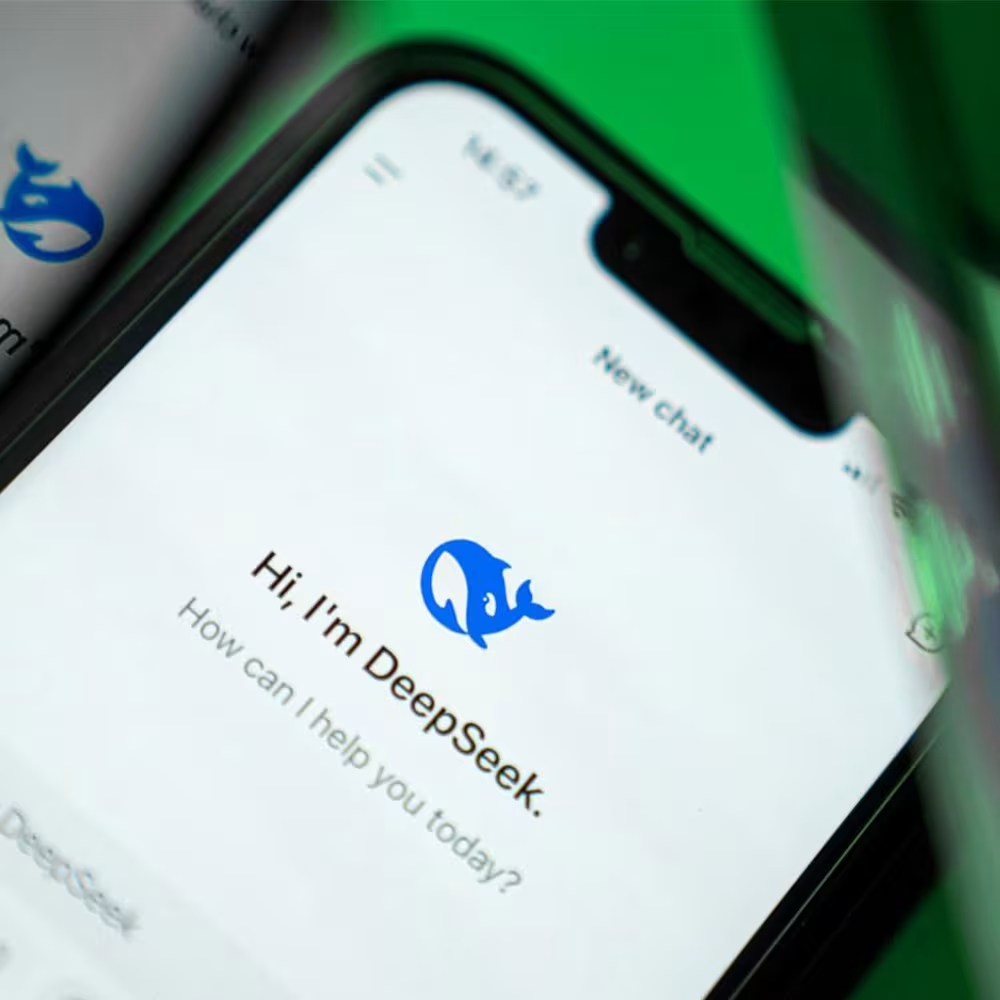
China's AI-native apps reached 499 million monthly users in June 2026, according to QuestMobile. ByteDance's Doubao led with 382 million, ahead of Alibaba's Qwen with 167 million, DeepSeek with around 130 million and Tencent's Yuanbao with 50 million. Doubao draws on Douyin and Toutiao, Qwen on Taobao, and Yuanbao on WeChat. Your audience decides where to start.
Where AI Citations Come From
Chinese AI answers rely on trusted platforms far more than brand websites.
Newrank's analysis of 16.8 million cited URLs found that Doubao leans on ByteDance platforms, Yuanbao on WeChat Official Accounts, and DeepSeek on portals such as Sohu and Baidu Baike. A Fudan University study found that 40 posts on a self-hosted website drew no AI citations at all. Visibility comes from being present, accurately, on the platforms each assistant trusts.
AI Poisoning and Ethical GEO
Regulators now treat manipulative GEO as poisoning the information people trust.
In March 2026, CCTV's 3·15 consumer rights gala showed a GEO tool making AI assistants recommend a fictional smart bracelet within hours. In April, the Cyberspace Administration of China launched a four-month campaign that names malicious GEO marketing as AI data poisoning. Ethical GEO is the only sustainable approach: real facts, clear sources, consistent information and properly labelled AI-generated content.
Agentic Commerce Changes the Funnel
AI assistants are starting to complete the purchase, not only recommend it.
In May 2026, Alibaba connected the Qwen app to Taobao's catalogue of more than 4 billion products, letting users search, compare and order within one conversation. ByteDance began testing purchases inside Doubao through Douyin e-commerce in March. When the assistant also handles checkout, complete product information, genuine reviews and well-maintained stores become part of your GEO strategy.
Become the source AI can trust
GEO in China is not a trick to game algorithms, but a discipline of clarity and credibility. Know which assistants your customers use, publish accurate and useful content on the platforms they trust, keep brand facts consistent everywhere and track how AI describes you. Brands that do this patiently will not only be found by AI. They will be recommended.

Selected partners