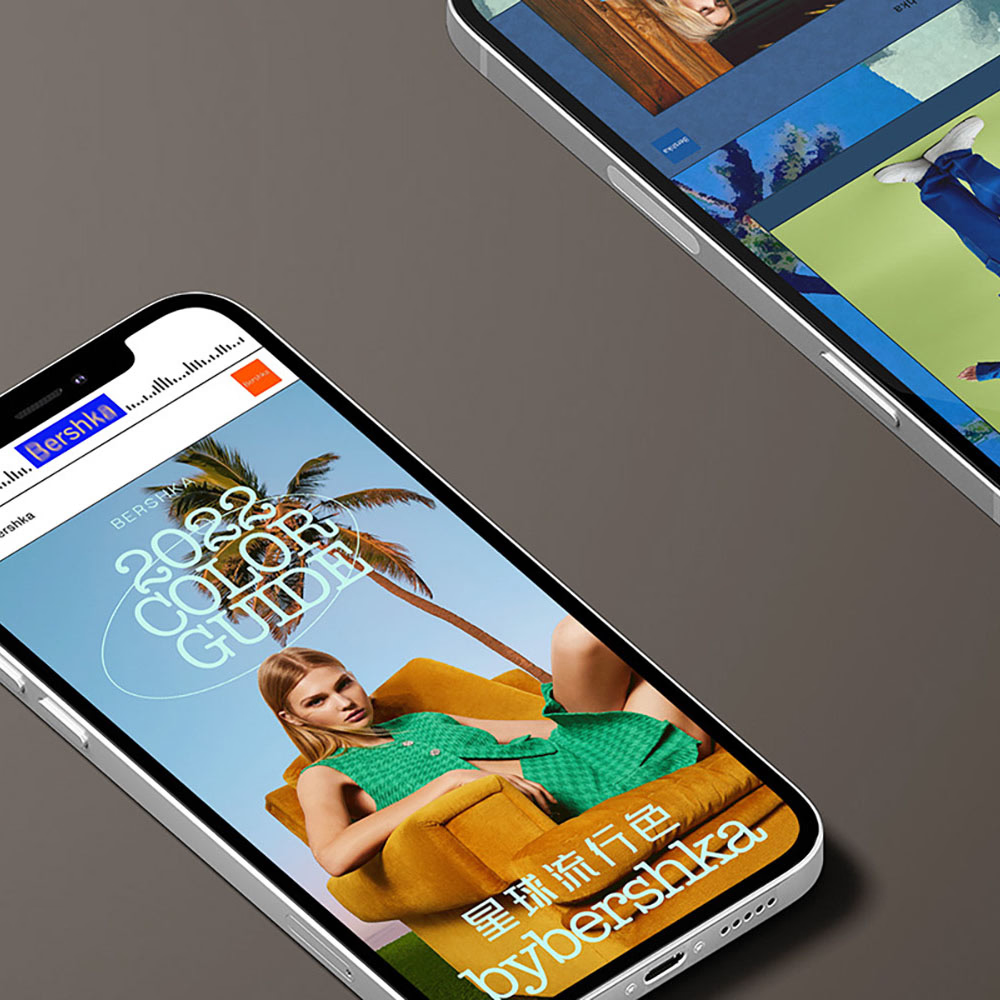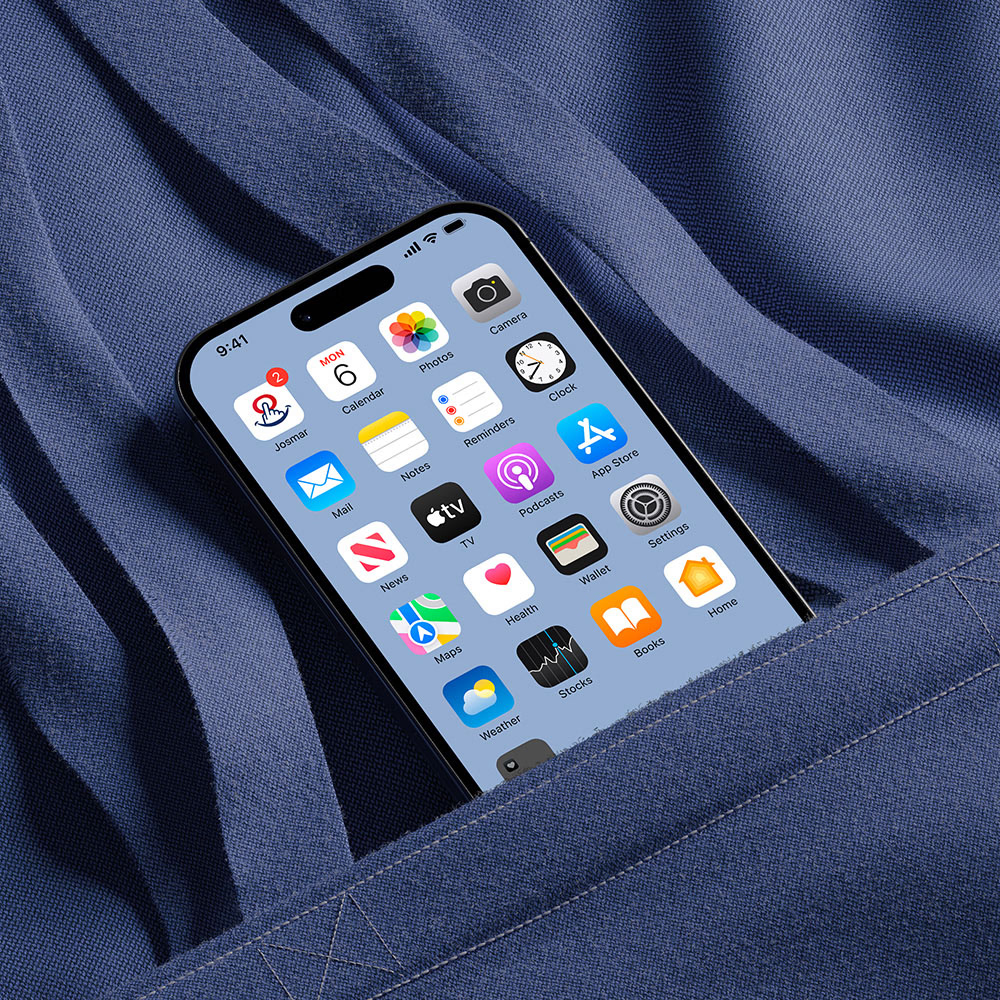















The UX/UI design trends shaping brand experiences today are micro-interactions, dark mode, AI personalization and accessible design. Each one makes digital products feel more human, more personal and easier to use. This article explains what they are, when they help and how to apply them without following fashion.
Good trends solve problems, not just look new
Every year brings new interface styles, and many disappear as quickly as they arrive. The trends worth your attention are the ones that make products easier to use or brands easier to recognize. Applied with care, they help an app or website feel current and considered. Applied blindly, they add complexity, slow pages down and make every brand look the same.
Key Takeaways
Micro-interactions give feedback and personality, but only when they are quick, consistent and genuinely useful to the user.
AI personalization can make experiences more relevant, as long as users understand it and stay in control.
Dark mode is now an expectation in many products, so your colours and contrast must work in both themes.
Accessible design is no longer optional: it widens your audience and improves usability for everyone.

Micro-interactions with purpose
Small animations tell users that something happened, and how your brand behaves.
A button that responds when tapped or a subtle confirmation after saving makes an interface feel alive. Nielsen Norman Group's research shows that responses within 0.1 seconds feel instant to users, which is why fast feedback matters. Micro-interactions also carry personality, because the way something moves says as much as how it looks. Keep them short, consistent and meaningful.
Designing for dark mode
A brand must look right in light and dark themes alike.
Many users now switch their phones to dark mode and expect apps and websites to follow. Simply inverting colours rarely works: brand colours can lose contrast and logos can disappear. Define a dark palette in your design system and keep text contrast at least 4.5:1, the WCAG standard for readable text. Check every key screen in both themes before launch.
AI personalization done right
Personal experiences build loyalty when users understand and trust them.
McKinsey's 2021 research found that 71% of consumers expect personalized experiences and 76% get frustrated when they don't receive them. AI makes that possible at scale, adapting content and recommendations to each user. Done badly, it feels intrusive. Explain why something is shown, let users adjust their preferences and keep the core experience consistent, so personalization supports the brand.
Accessible design for everyone
Designing for accessibility improves the experience for every user.
The World Health Organization estimates that 1.3 billion people, about one in six, live with a significant disability. Readable contrast, clear focus states, captions and keyboard navigation help them, and make products easier for everyone. Accessibility is also a legal matter: the European Accessibility Act has covered many EU digital services since June 2025. Build it into your design system early.
Choose the trends that serve your users
UX/UI design trends are tools, not goals. Use micro-interactions to give feedback, design for dark mode from the start, personalize with transparency and make accessibility a standard, not an extra. Then test with real users before rolling anything out. The products people return to are rarely the most fashionable ones. They are the ones that feel clear, consistent and unmistakably yours.

Selected partners