














E-commerce in China is won through design as much as price. Shoppers compare dozens of stores on Tmall, JD.com and Douyin in seconds, so your store must explain the brand, answer questions and make buying easy. This guide covers what makes a Chinese online store convert.
Your online store is your real flagship
Online retail sales of physical goods in China reached 13.09 trillion yuan in 2025, 26.1% of all retail sales, according to the National Bureau of Statistics. For many customers, a brand's online store is the first and only place they meet it. That makes the store a brand experience in its own right: the visuals, the product stories and the service should all feel unmistakably yours.
Key Takeaways
For many Chinese shoppers, your online flagship store is the main place where they experience your brand.
Checkout happens on mobile, inside apps, so every extra step or unclear detail costs you sales.
Product pages must answer every question visually, because shoppers compare quickly and rarely read long text.
Tmall, JD.com and social platforms attract different shoppers, so each store needs its own clear role.

Designing flagship stores
A flagship store should feel like stepping into your brand.
Tmall Global alone hosts more than 40,000 foreign brands, according to WalkTheChat in April 2026, so a template filled with banners and discounts disappears quickly. A strong flagship uses your identity, photography and tone consistently, guides visitors through collections and tells the brand story between products. Make sure it looks like the brand customers see on Xiaohongshu, Douyin and in stores.
Product pages that convert
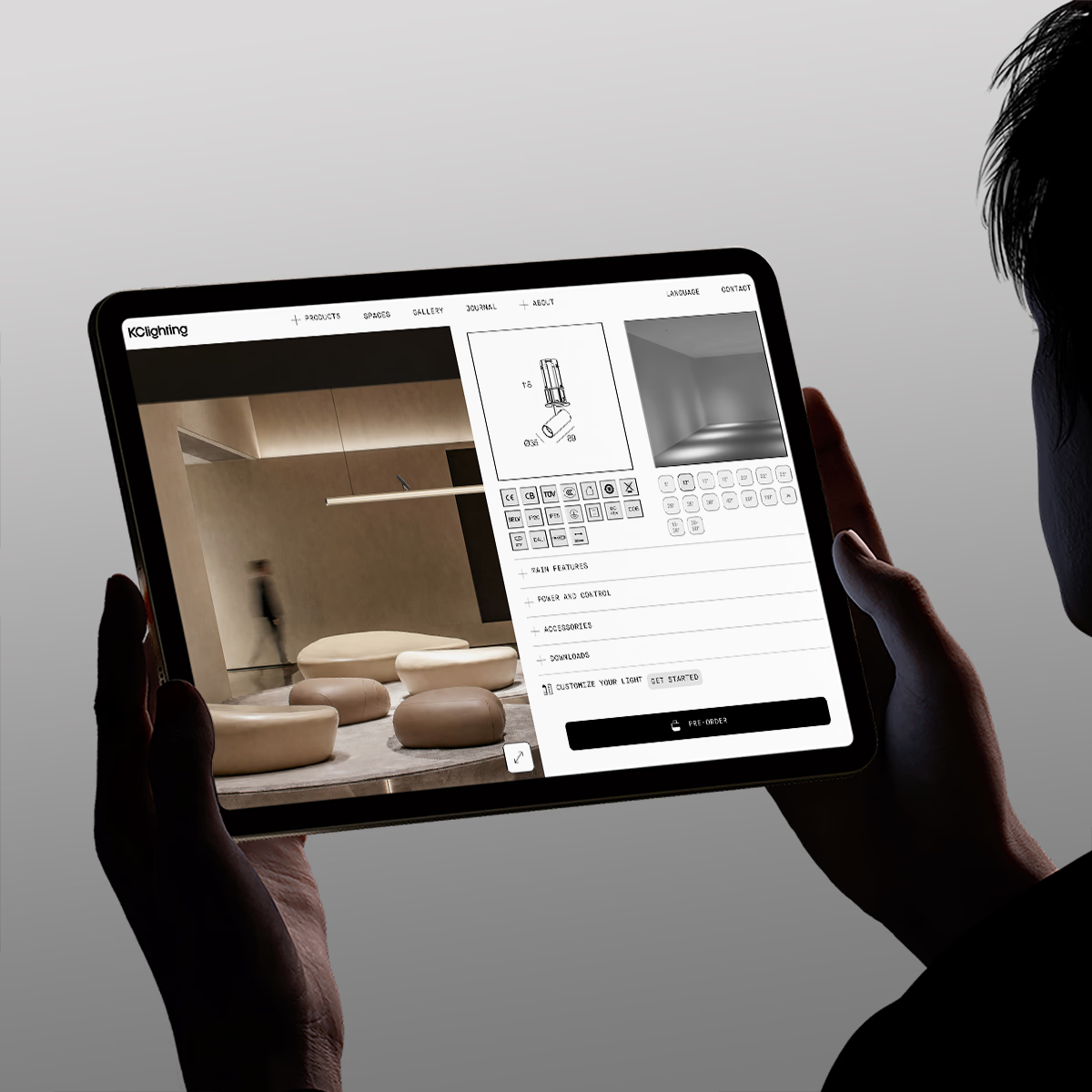
Chinese shoppers expect product pages to answer every question visually.
Long, image-rich product pages are the norm in China. They combine lifestyle photos, close-ups, size guides, ingredient or material details, certificates and reviews, often as illustrated panels rather than paragraphs. Anticipate the questions customers ask your service team and answer them on the page. Clear structure and consistent design reduce doubt, returns and the time it takes to decide.
A frictionless mobile checkout
Every unnecessary step at checkout is another reason to leave.
Almost every purchase in China happens on a phone, paid with Alipay or WeChat Pay, and customers expect checkout to take seconds. Show delivery costs, timing and return policies early, avoid surprises at the last step and make coupons easy to apply. Checkout research by the Baymard Institute suggests better design can lift conversion rates by around 35%, a reminder that small details matter.
Tmall, JD.com or social commerce?
Each marketplace attracts a different shopper and needs its own role.
China had 974 million online shoppers by the end of 2024, according to CNNIC, spread across many platforms. Tmall, part of Alibaba, is often the main home for brand flagships. JD.com runs its own logistics and is strong in electronics, where delivery and authenticity matter. Douyin and Xiaohongshu capture purchases inspired by content. Give each store a clear role.
Design the store around the customer
E-commerce in China rewards brands that treat their online stores as carefully as their physical ones. Build a flagship that feels like your brand, product pages that answer every question and a checkout that takes seconds. Then choose marketplaces by role, not by habit. A well-designed store does more than sell: it becomes the place where customers decide to trust you.

Selected partners