














B2B branding in China is about earning trust before talking price. Chinese buyers, distributors and partners research suppliers carefully, and a clear, consistent brand shortens that process. This guide explains how B2B companies build corporate reputation, attract talent and stand out at the moments where decisions are made.
In B2B, the brand is the first proof
Many B2B companies still treat branding as decoration: a logo, a brochure, a trade-show stand. In China, where buyers compare dozens of capable suppliers, that approach leaves you competing on price alone. A strong B2B brand explains what you do in seconds, proves your expertise and makes your company feel like a safe choice. It works quietly in every meeting your sales team never attends.
Key Takeaways
Chinese B2B buyers research suppliers long before the first meeting, so your brand must build credibility on its own.
Trade shows remain decisive in many sectors, but only when the stand, the follow-up and your digital presence work together.
Corporate reputation, employer branding and sales materials should tell one consistent story, in Chinese and English.
Clear positioning lets you compete on expertise and reliability, not only on price and delivery times.

Building corporate reputation in China
Reputation is what buyers find when you are not in the room.
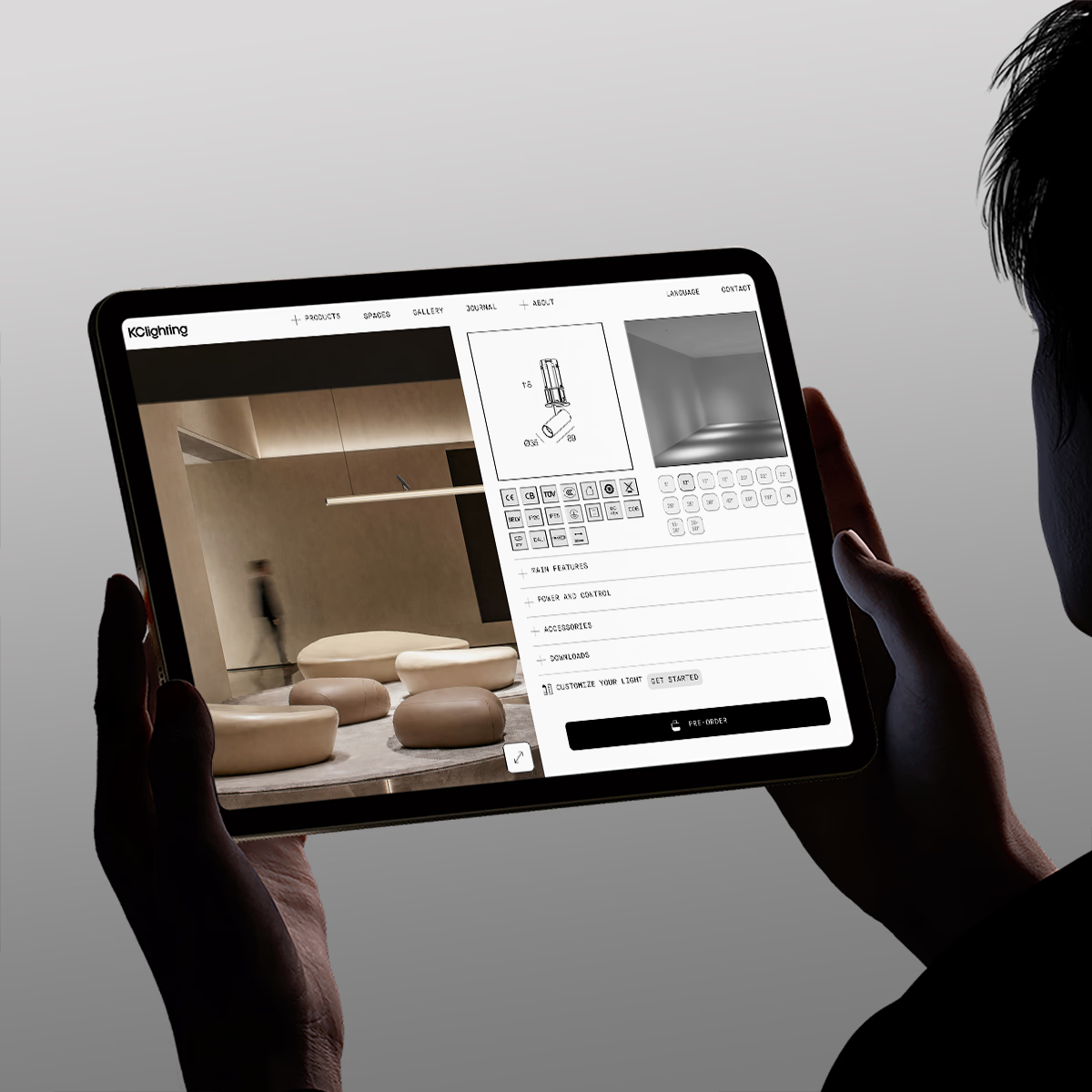
Chinese buyers check your website, your WeChat Official Account, your Baidu results and what industry media say about you. Each touchpoint either confirms your expertise or raises doubts. Consistent messages, real project references and a professional Chinese-language presence turn scattered information into a reputation. For KClighting, one positioning for two markets helped a manufacturer present itself as a partner, not just a supplier.
Employer branding for B2B companies
The people you want to hire judge your brand too.
China expects a record 12.7 million university graduates in 2026, according to the Ministry of Education, yet experienced engineers and specialists remain scarce. They compare employers as carefully as buyers compare suppliers. A clear employer brand explains why your company is worth joining: the projects, the culture and the chance to grow. Clients notice when a company attracts and keeps good people.
What B2B buyers look for
Buyers want proof of capability, stability and long-term commitment.
Gartner's 2025 research found that 61% of B2B buyers prefer to buy without talking to a sales representative, so your website and materials must do much of the selling. Show certifications, case studies, production capacity and local support clearly, in Chinese. Make technical information easy to share internally, because several people join each decision. Clear structure matters more than a beautiful brochure.
Making trade shows work harder
A trade-show stand is a brand experience, not just a display.
The spring 2026 Canton Fair drew 314,000 overseas buyers from 220 countries and more than 32,000 exhibitors, so standing out takes more than a stand. The real value comes from what happens before and after: invitations, WeChat follow-ups, bilingual materials and a website that confirms the first impression. Plan each event as part of your brand system, so conversations continue somewhere useful.
Make your expertise easy to trust
B2B branding in China is not about looking bigger, but about being clearer. Define what makes your company different, express it consistently across sales materials, digital channels and events, and support it with real proof. When buyers, partners and future employees understand you quickly, every conversation starts further ahead. That is how a capable supplier becomes the obvious partner.

Selected partners